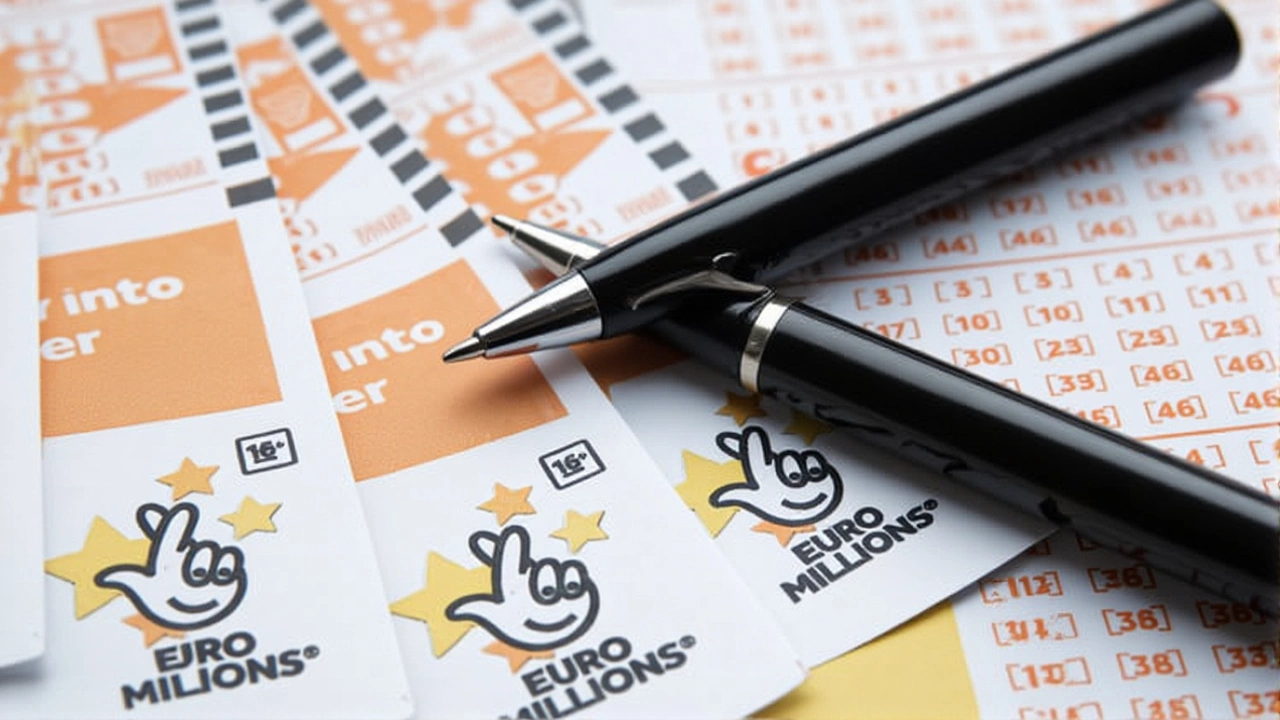
The National Lottery confirmed that the EuroMillions jackpot soared to £142,321,587 on Tuesday, 25th November 2025, after no ticket matched all seven numbers in Friday’s draw — marking the eighth straight rollover since the last top prize was claimed. The winning numbers — 06, 11, 17, 35, 44 with Lucky Stars 03 and 07 — were drawn live at Espace Lumières in Paris, as always, under the watchful eye of an independent adjudicator. For UK players, the Millionaire Maker code J W G H 0 3 5 3 0 offered a separate shot at a guaranteed £1 million, adding another layer of excitement to an already record-breaking week.
How the Jackpot Grew to Record Heights
The jackpot didn’t just climb — it exploded. On Tuesday, 4th November 2025, the prize stood at £75,171,029. Since then, it’s jumped by nearly £67 million without a single winner. Each Friday and Tuesday draw, when no one matches the five main numbers and both Lucky Stars, the prize rolls over — and this streak has become the longest in UK history. The previous Friday’s draw on 21st November 2025 had already hit £131,464,184 with numbers 17, 19, 29, 35, 48 and Lucky Stars 05 and 09. That draw alone added over £10 million to the pot. Now, with the Tuesday draw failing to produce a winner, the jackpot is poised to break the UK’s all-time record of £195,704,000, set on 19th July 2022.What’s unusual isn’t just the size — it’s the consistency. The Camelot Group, which operates the National Lottery under license from the United Kingdom Gambling Commission, has tweaked the rules in recent years to allow jackpots to roll over beyond the traditional five-time cap. That change, made in 2023, was meant to create bigger, more newsworthy prizes — and it’s working. The current streak is the longest since the rule change, and it’s driving ticket sales across the UK and the nine participating European countries.
Who’s Playing — and Why It Matters
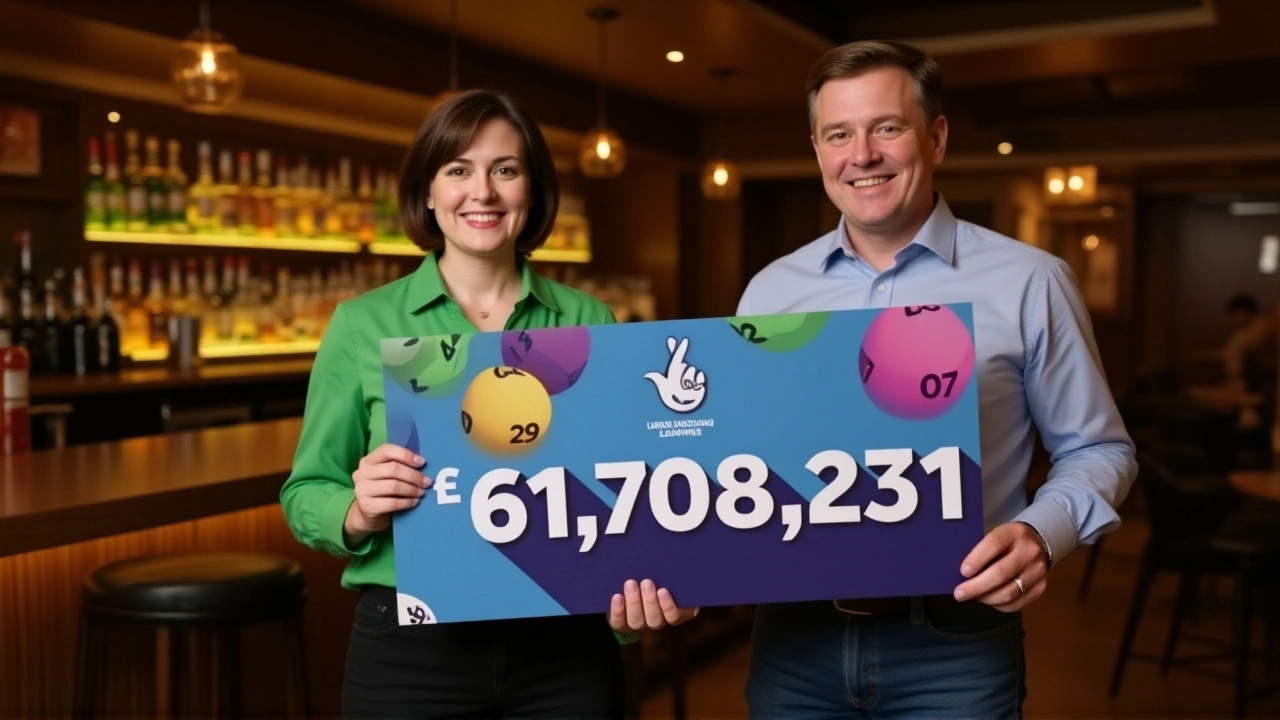
Every ticket sold contributes to the jackpot, but here’s the twist: most players aren’t chasing the top prize. According to National Lottery data, nearly 60% of players buy tickets for the Millionaire Maker raffle alone — the UK-exclusive code that guarantees one £1 million winner per draw. On Tuesday, that code was J W G H 0 3 5 3 0. If you held a ticket with that sequence, you’re already a millionaire. And while the odds of winning the jackpot are 1 in 139,838,160, the odds of winning the raffle are a much friendlier 1 in 10 million. That’s why, even when the jackpot isn’t won, the game still delivers big winners — and keeps the public hooked.And it’s not just about luck. The National Lottery’s marketing leans heavily on the emotional pull of transformation: a single ticket can change everything. Social media is flooded with posts from players sharing their rituals — buying tickets on the way to work, checking results on the app at 9:05 p.m., or gathering family around the TV for the live draw. The draw itself, broadcast on YouTube and broadcast television, is a cultural moment. The ticking clock before the numbers appear, the hush in the studio, the gasp when the last Lucky Star is revealed — it’s theatre, and millions tune in.
The Rules Behind the Rollover
The mechanics are simple but powerful. EuroMillions operates across nine countries — the UK, France, Spain, Ireland, Belgium, Austria, Luxembourg, Portugal, and Switzerland — with each nation’s operator contributing to a shared prize pool. The draw is held twice weekly, always at 21:00 GMT, and results are published within minutes. But here’s what most people don’t know: if the jackpot hits the cap — currently £210 million — and still isn’t won after five draws, it must roll down to the next prize tier. That’s not a problem yet. The current jackpot is still below the cap, and with the next draw scheduled for Friday, 28th November 2025, it’s likely to climb past £150 million. If no one wins then, the Tuesday 2nd December draw could be the one to break the record.Under the National Lottery Regulations 2002, all draws must be conducted with independent oversight. The adjudicator, present in the studio, verifies the random number generator and confirms the integrity of the draw. No one — not even Camelot — can predict or influence the outcome. That transparency is key. In an age of skepticism, the National Lottery’s clean record on fairness is its greatest asset.
What Comes Next?
The next draw — Friday, 28th November — will be a national event. Ticket sales are expected to surge past £50 million for the week, with retailers reporting long queues and sold-out terminals. Some convenience stores have started displaying countdown clocks. The press is already speculating: will this be the week the record falls? Will a syndicate from Manchester or a lone player from Cardiff make history?But beyond the headlines, there’s a deeper story. The EuroMillions isn’t just a game — it’s a social contract. Since its launch in 2004, the National Lottery has raised over £45 billion for good causes — from community centres to wildlife parks to youth sports programs. Every £1 ticket contributes 28p to charity. That’s why, even when you lose, you’re still winning something.
Background: The Rise of the Mega-Jackpot
Before 2023, EuroMillions had a strict five-rollover cap. After that, the jackpot would cascade to the next tier. That changed after a record £188 million win in 2022, when Camelot and European partners agreed to extend the cap to allow jackpots to grow larger — and attract more players. The gamble paid off. In 2024 alone, there were three jackpots over £150 million. The current streak is the most sustained since the rule change. The previous longest streak? Five rollovers, back in 2021.What’s also new is the role of digital platforms. The National Lottery app now has over 12 million active users. Players can set up automatic ticket purchases, receive push notifications when results are live, and even scan physical tickets with their phone’s camera. The app also includes a “Play Responsibly” tool — a feature the National Lottery promotes heavily, reminding users: “Play in a way that’s right for you.”
Frequently Asked Questions
How does the Millionaire Maker raffle work?
Each EuroMillions ticket purchased in the UK automatically includes a unique seven-letter-and-number code — the Millionaire Maker. One code per draw wins £1 million, regardless of whether the main jackpot is claimed. The code is printed on your ticket and announced after each draw. On 25th November 2025, the winning code was J W G H 0 3 5 3 0. There’s no need to match numbers — just match the code exactly.
Can someone outside the UK win the EuroMillions jackpot?
Yes. EuroMillions is played across nine European countries, and the jackpot is shared among all participating nations. However, only players physically located in the UK or Isle of Man can enter the Millionaire Maker raffle. The winning ticket must be purchased in one of the participating countries, and claims must be made through that country’s official lottery operator.
What happens if the jackpot reaches £210 million and still isn’t won?
If the jackpot hits £210 million and remains unclaimed after five consecutive draws, it rolls down to the next prize tier — meaning all winners in the second tier (matching five main numbers plus one Lucky Star) share the accumulated prize. This has only happened once before, in 2021, when over £100 million was distributed across 11 winners. But with the current pace, that’s still weeks away.
Why do the draws always happen in Paris?
The draws are hosted at Espace Lumières in Paris because it’s the designated hub for the EuroMillions consortium, managed jointly by France’s Française des Jeux and the UK’s Camelot Group. The location is chosen for its technical infrastructure and security, not because France has more influence — all participating countries have equal voting rights in the game’s governance.
Are there any limits on how many tickets one person can buy?
There’s no legal limit, but the National Lottery encourages responsible play. Players can set daily spending limits via the app, take a 24-hour break, or request self-exclusion. The Healthy Play Toolkit, linked on the National Lottery website, offers tools to help players manage their habits — especially important when jackpots climb into nine figures.
When will the next draw take place, and what’s the projected jackpot?
The next draw is Friday, 28th November 2025, at 21:00 GMT. If no one wins on Tuesday, 2nd December, the jackpot could surpass £150 million — possibly reaching £160 million. The record of £195.7 million remains within reach, and with ticket sales increasing by 12% weekly, the odds of a historic win are growing.