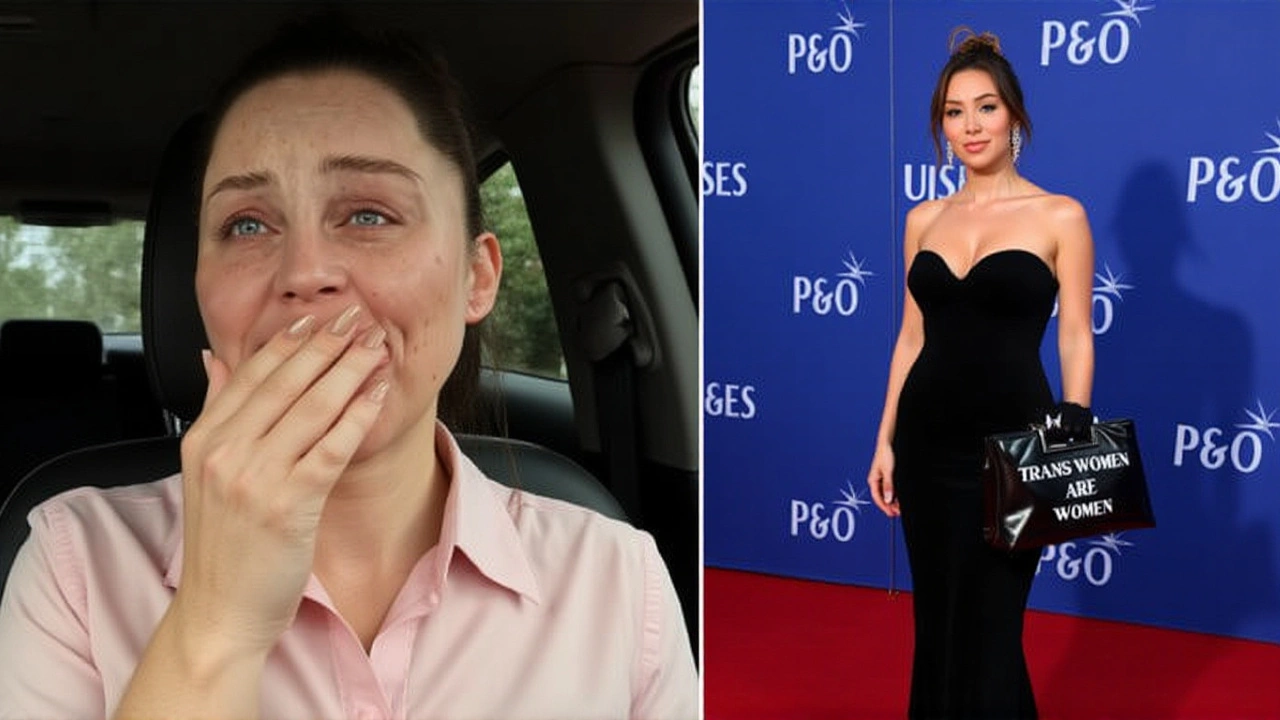
When Ella Morgan stepped onto the E4 stage as the first openly transgender bride on Married at First Sight UK in January 2023, she didn’t just make television history—she became a lightning rod for Britain’s deepening cultural divide over gender identity. Now, in a raw and emotional revelation on the talk show Fed Up, Morgan says a well-known female celebrity used the transphobic slur "t****y" to describe her behind her back, a moment she only learned about when a mutual friend passed it on. "She doesn’t know that I know actually so this will be the first time she’s heard back," Morgan told the audience, her voice steady but heavy with disbelief. The disclosure, first reported by PinkNews on October 9, 2025, comes at a moment when trans rights in the UK are under unprecedented legal strain.
The Weight of a Word
Morgan, now 28–30, didn’t just drop the slur in passing. She framed it within a larger pattern of performative hostility from public figures who, she says, project envy onto those who live authentically. "She’s quite jealous of me," Morgan said. "That baffles me because she’s a lot more well known and got way more followers than me." The unnamed celebrity, described as "quite fake" and operating in the same entertainment orbit, remains unidentified—but Morgan’s words cut deeper than any name could. It’s not just about one insult. It’s about the quiet, insidious way hate travels through networks of influence, whispered in dressing rooms and backstage chats, then amplified by silence.A Legal Climate That Feels Like a Threat
The timing of Morgan’s revelation isn’t coincidental. In the months before her Fed Up appearance, the UK Supreme Court issued a landmark ruling clarifying that under the Equality Act 2010, the legal definition of "woman" does not include transgender women. The decision, though framed as a narrow interpretation of statutory language, sent shockwaves through the trans community. "It’s the first time since my own transition and entry into public life that I’m genuinely scared for myself and others," Morgan told PinkNews. That fear isn’t abstract. As The Independent documented, Morgan avoids public gyms and train travel due to harassment. "I am abused on the train and can’t go to the gym," she said in a prior interview. Now, with legal protections eroding, those daily indignities feel less like isolated incidents and more like state-sanctioned permission to degrade.
Who’s Listening—and Who’s Not
What’s striking isn’t just the slur, but who chose to repeat it. Morgan didn’t hear the word directly. A friend did—and felt compelled to tell her. That tells us something about the culture: even allies are forced into the role of messengers of cruelty. Meanwhile, the celebrity in question remains silent. No apology. No clarification. Just the kind of passive complicity that lets bigotry thrive. "I don’t warm to them," Morgan said of the two public figures she named as insincere. "Whereas what you see with me is what you get." There’s power in that honesty. In an industry built on curated personas, Morgan refuses to perform. And that’s what some people can’t tolerate.The Ripple Effect
The story didn’t just land in the UK. Soap Central, the U.S.-based entertainment site, picked it up the same day, confirming Morgan’s claims without adding new details. That cross-Atlantic echo matters. It signals that this isn’t just a British issue—it’s part of a global pattern where trans visibility triggers backlash from those who feel their own status is threatened. Morgan’s case mirrors similar incidents involving trans public figures in the U.S. and Australia, where slurs are weaponized as social currency. But here, the stakes are higher. The UK Supreme Court ruling gives institutional weight to the hostility.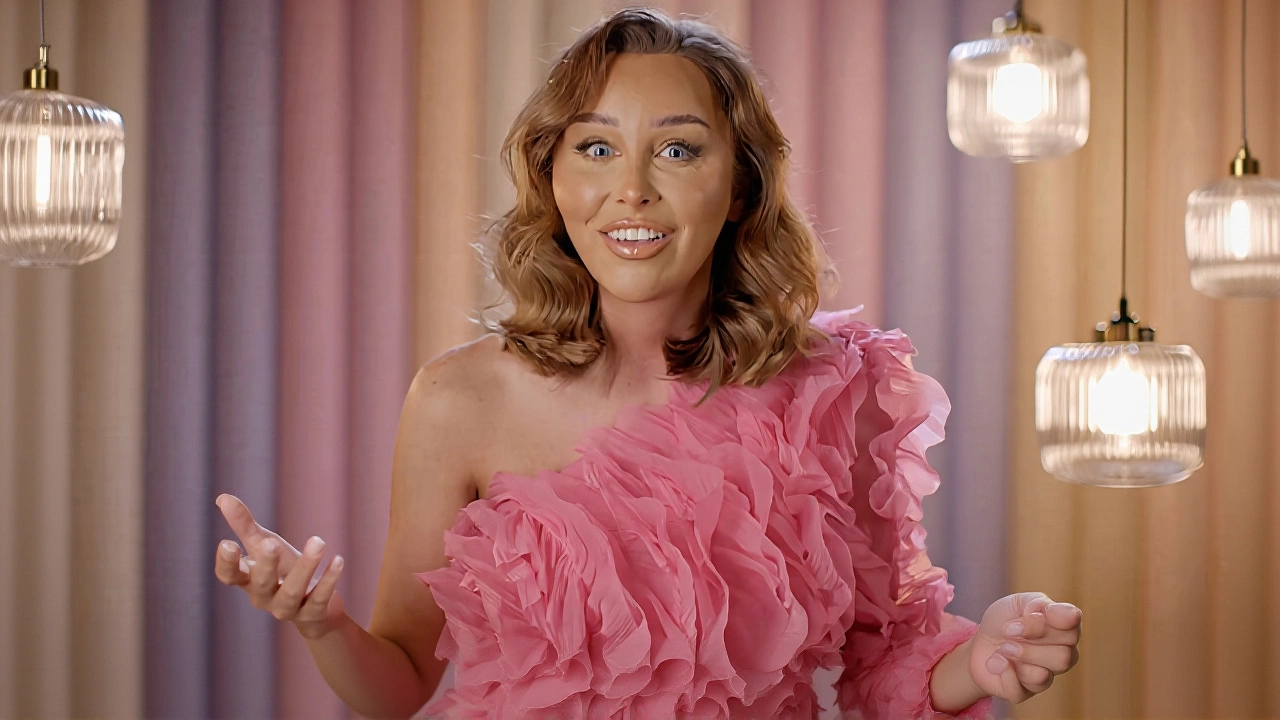
What Happens Next?
As of October 9, 2025, Morgan has not responded to further requests from PinkNews for comment. She’s not seeking a public reckoning with the celebrity—she’s simply refusing to be erased. Her advocacy continues, even as the environment grows colder. Campaigners like Morgan are now bracing for a wave of legal challenges to gender recognition laws, and the next target may be access to single-sex spaces or healthcare. Her story isn’t about one slur. It’s about the erosion of dignity in plain sight.Frequently Asked Questions
How does this affect transgender people in the UK?
The UK Supreme Court’s ruling excluding trans women from the legal definition of "woman" under the Equality Act 2010 has created a chilling effect. Trans individuals report increased verbal abuse, exclusion from public spaces, and fear of reporting incidents, fearing they won’t be taken seriously. Ella Morgan’s case highlights how legal ambiguity emboldens public hostility, making everyday activities like taking public transport or going to the gym dangerous.
Why didn’t Ella Morgan name the celebrity?
Morgan chose not to name the celebrity to avoid giving her more attention or fueling a media circus. Her goal wasn’t to destroy someone’s career, but to expose the culture of transphobic whispering that thrives in celebrity circles. By withholding the name, she shifts focus from gossip to systemic harm—making the issue about the slur and the silence around it, not just one person.
What role does E4 play in this story?
As the broadcaster of Married at First Sight UK, E4 gave Morgan a national platform that transformed her from an activist into a household name. That visibility made her a target, but also gave her a voice. Her participation in the 2023 series was historic—it marked the first time a trans woman was cast as a bride on the show, breaking a long-standing norm in British reality TV.
Is this the first time a celebrity has been accused of using transphobic language in the UK?
No. In 2021, comedian and TV presenter Katie Hopkins faced backlash for using the term "tranny" on social media, and in 2023, a BBC presenter was suspended for a similar comment. But Morgan’s case is different: it’s not a public tweet or on-air slip—it’s a private insult relayed through a friend, revealing how deeply embedded transphobia is in informal networks, even among those who appear supportive.
What’s the next legal step for trans rights in the UK?
Activists are preparing to challenge the Supreme Court’s interpretation in the European Court of Human Rights, arguing it violates Article 8 (right to private life) and Article 14 (prohibition of discrimination). Meanwhile, the government has signaled no intention to amend the Equality Act, leaving trans people vulnerable to further erosion of protections. Morgan’s public testimony adds moral weight to those legal efforts.
How can people support trans rights in the UK right now?
Support local trans organizations like Mermaids and Gendered Intelligence, donate to legal defense funds, and speak up when you hear transphobic language—even in casual settings. Silence is the enemy. Morgan’s story shows that every whispered slur has consequences. Being an ally means interrupting the silence, not just posting hashtags.